Bottle-to-bottle Valgroup: sustainability is in our DNA

Published on

Share

There are several classifications for recycling processes. Currently, the best known and most used is mechanical recycling.

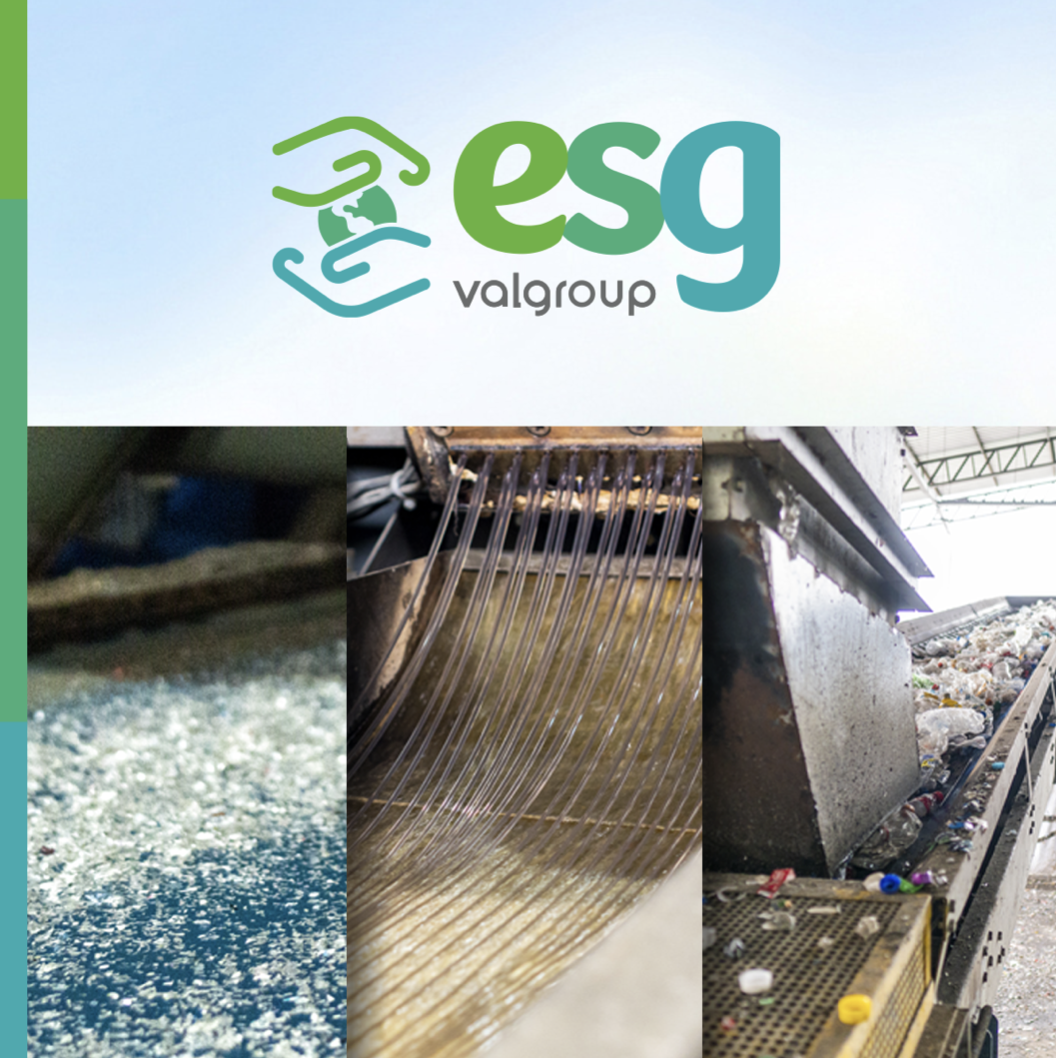
In mechanical recycling, the plastic bottles go through label removal, followed by separation, grinding, and washing processes. The materials that come out of the recycler are known as flakes, which consist of chopped and washed material, ready for production of resin. The flakes are then sent to the resin production unit and there they are extruded and cut, generating the amorphous recycled resin. This resin undergoes polymerization in its solid stage and from this process, the recycled resin is produced.

Recycled resin can be used for various applications, such as production of new bottles, production of toys, kitchen, and bathroom items, etc. Currently, PCR (post-consumer recycled) resin, when certified, can be used in direct contact with food. There is no risk of contamination caused by use of resin. An example of the use of recycled resin in contact with food is its use in bottles, a process known as bottle-to-bottle, in which the bottles become new after the recycling process.

Valgroup has been a pioneer in the implementation of the bottle-to-bottle technology in Brazil. In 2008 Valgroup became the first company to obtain the homologation for the use of PET PCR resin for direct contact with food.

Our technology has been improved to provide customers with high quality PET PCR resin to enable its use up to 100%, with no drop in performance in the transformation process.

Learn more about our sustainable solutions at www.valgroupco.com/products
 

Share it

explore our articles

One of the region’s largest trade fairs provided an opportunity to showcase Brazilian products to the Arab world and to North and East Africa  Big 5 Global 2025 Photo: Big 5 Global.    Brazilian companies associated with Think Plastic Brazil participated for the second time in Big 5 Global, one of the Middle East’s largest trade fairs focused on the construction and infrastructure sectors, held from November 24 to 27 at the Dubai World Trade Center. The event generated USD 50,000 in immediate business deals and USD 670,000 in projected business

Partnership aims to innovate and reinforce sustainability in the Brazilian plastics industry with advanced international strategic design methodologies  Professor Carlos Teixeira, Director of the PhD Program at the Institute of Design; Carlos Moreira, INP Executive Director and Think Plastic Brazil CPO; and Marco Aurélio Lobo Júnior, coordinator of the Global Green Design hub at Think Plastic Brazil. Photo: Promenade Comunicação  Think Plastic

Seven companies represented Brazil at South America’s leading trade fair for packaging and processing in Bogotá From November 4 to

Generic selectors
Exact matches only
Search in title
Search in content
Post Type Selectors

Subscribe to our
Newsletter

By subscribing, you agree to our Privacy Policy and consent to receive updates from our company.

Workshop Metaprojeto
Design e Inovação

Inscrições prorrogadas até 15/10: cinco empresas terão uma experiência estratégica e imersiva com o prof. Dijon de Moraes, referência internacional na área.